Generic Drugs: What They Are, Why They Work, and When They Don't
When you hear generic drugs, lower-cost versions of brand-name medications that contain the same active ingredients and meet the same standards. Also known as generic medication, they make up over 90% of prescriptions in the U.S. and help millions afford treatment every year. But here’s the thing: not all generics are created equal. Some work just like the brand name. Others? They don’t. And if you’ve ever switched to a cheaper version only to feel worse, you’re not alone.
The science behind bioequivalence, the measure that proves a generic drug delivers the same amount of active ingredient at the same rate as the brand sounds solid—until it isn’t. The FDA says generics must be within 80-125% of the brand’s absorption rate. That sounds tight, but for drugs with a narrow therapeutic index, medications where even small changes in blood levels can cause harm or failure—like warfarin, thyroid meds, or seizure drugs—that small gap can mean the difference between control and crisis. That’s why some patients stick with one manufacturer, even if it costs more. It’s not about brand loyalty. It’s about stability.
Then there’s the supply chain. Over 80% of the raw ingredients for generic drugs come from countries like China and India, where pharmaceutical quality, the consistency and purity of drug ingredients during manufacturing isn’t always monitored the same way. FDA inspections have caught factories falsifying data, skipping tests, or letting contaminants slip through. These aren’t rumors—they’re public reports. And when quality drops, patients pay the price with side effects, failed treatments, or worse.
States are pushing generic prescribing incentives, policies that reward doctors and pharmacies for choosing generics to cut costs—like lower copays or automatic substitution laws. Sounds smart, right? But if you’re on a drug where tiny changes matter, being swapped without your knowledge can be dangerous. That’s why knowing your options, asking about the manufacturer, and tracking how you feel after a switch matters more than ever.
And let’s not forget: sometimes, a generic just doesn’t work. Not because it’s fake. Not because it’s bad. But because your body reacts differently to the fillers, coatings, or inactive ingredients. One person gets relief. Another gets headaches, nausea, or no effect at all. That’s not rare. It’s common enough that doctors now talk about therapeutic failure, when a generic drug fails to produce the expected clinical result despite meeting bioequivalence standards as a real clinical issue.
Below, you’ll find real stories and hard facts about what goes wrong, what goes right, and how to protect yourself when you’re handed a cheaper pill. From FDA alerts to Chinese manufacturing flaws, from patient experiences to the science behind why some generics fail—this collection doesn’t sugarcoat it. It tells you what you need to know to make smarter, safer choices.
Medications
9
Comments
What is an ANDA: Abbreviated New Drug Application Explained
An ANDA is the FDA pathway that lets generic drug makers prove their products are identical to brand-name drugs - without repeating costly clinical trials. It's why 90% of U.S. prescriptions are filled with generics that cost 80-85% less.

Medications
10
Comments
Pharmacy Margin Economics: How Generics Drive Profits in Today’s Drug Market
Generics make up 90% of prescriptions but only 25% of drug spending-yet they drive 96% of pharmacy profits. Learn how PBMs, pricing, and consolidation are reshaping pharmacy economics.
Medications
8
Comments
Medicare Part D Formularies: How Generic Coverage Works
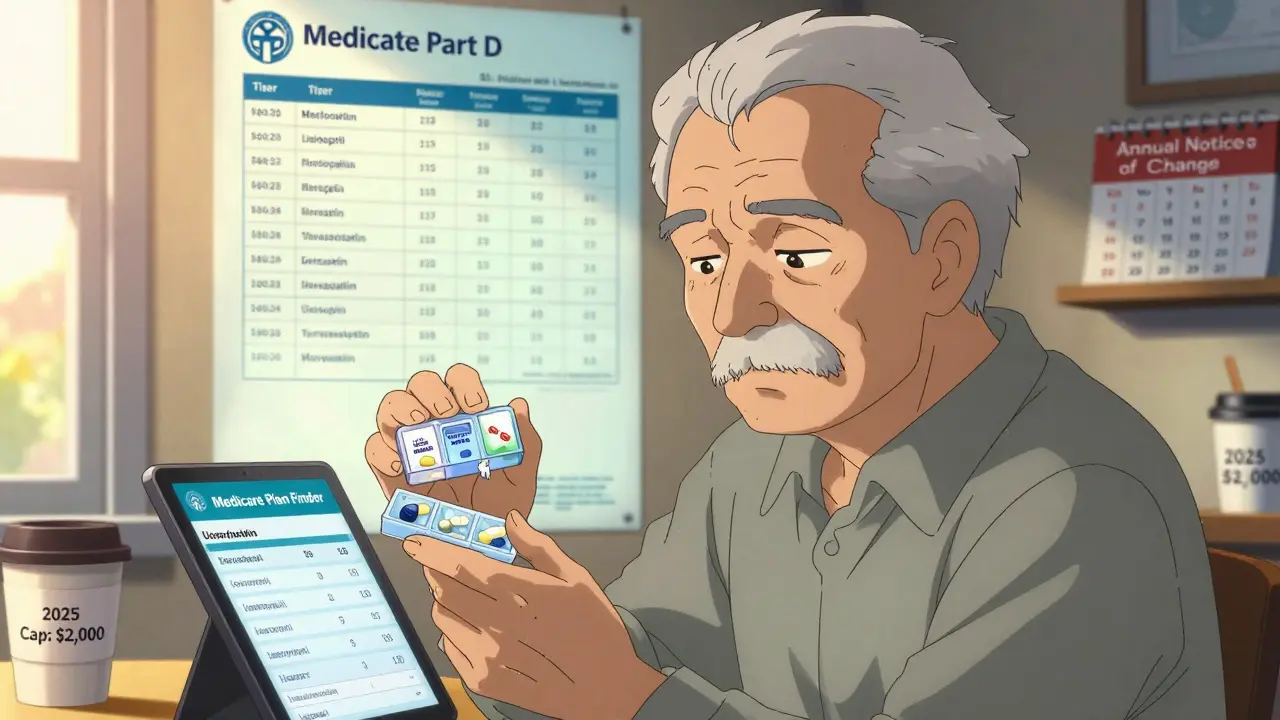
Learn how Medicare Part D covers generic drugs, how tiers affect your costs, and how to save hundreds each year with the $2,000 out-of-pocket cap. Understand formularies, coinsurance, and what changed in 2025.
Medications
12
Comments
Authorized Generics: Same Drug, Different Label - What You Need to Know
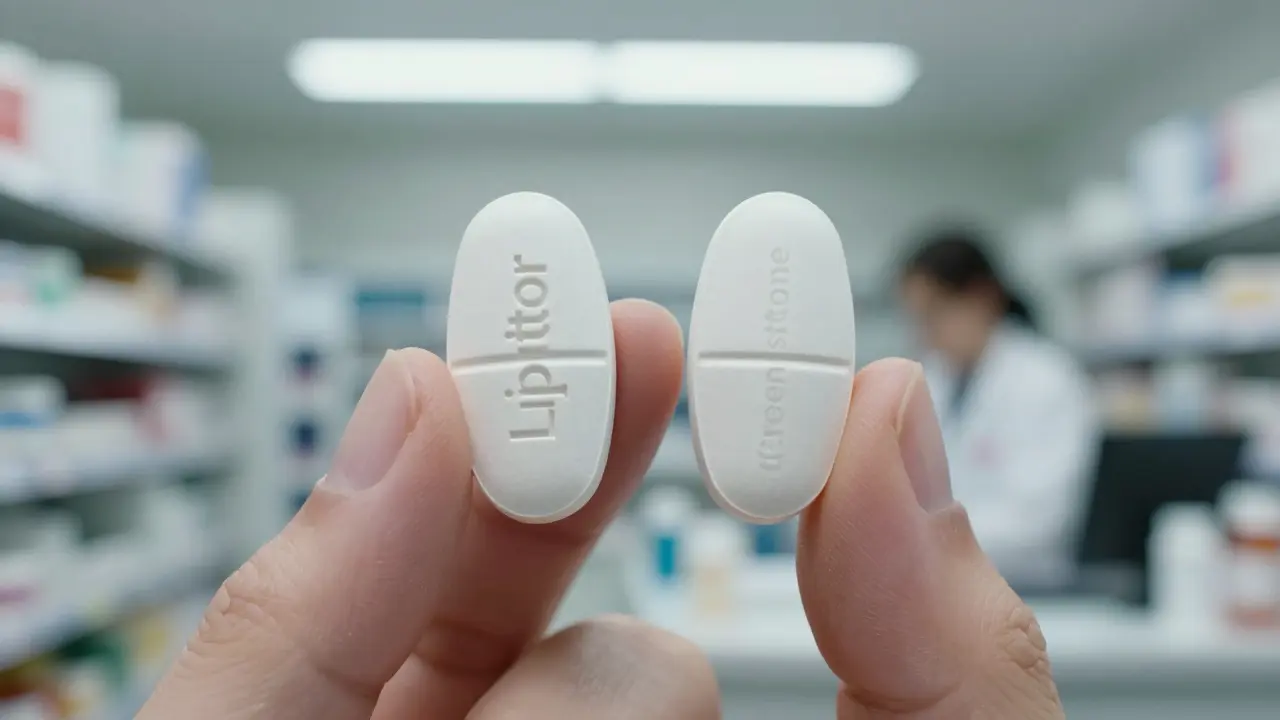
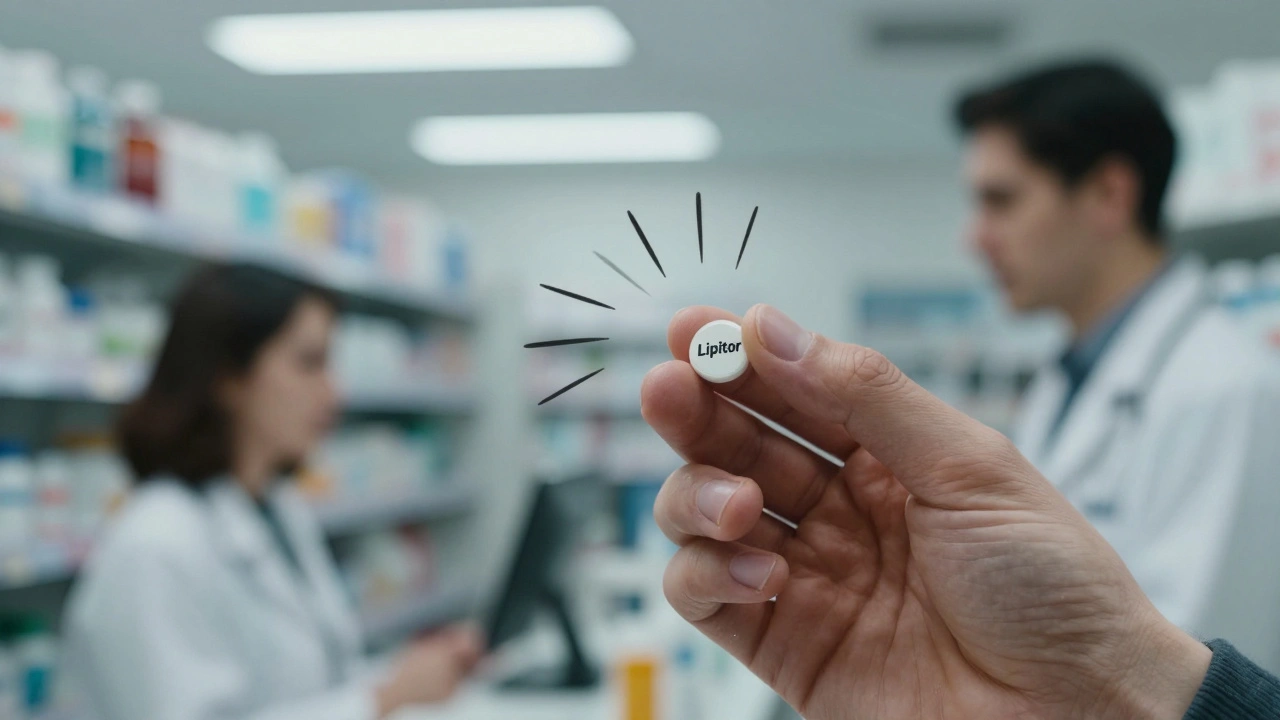
Authorized generics are the exact same drug as brand-name medications, just sold under a different label. Learn how they work, why they exist, and how they can save you money without sacrificing quality.
Medications
9
Comments
Side Effects with Generics: Are Adverse Reactions More Likely?
Generic drugs work for most people, but some report new side effects after switching. Is it the medication, the manufacturer, or your mind? Here's what the data really shows.
Medications
14
Comments
Insurance Benefit Design: How Health Plans Use Generics to Cut Costs
Health plans use tiered formularies, mandatory substitutions, and step therapy to push patients toward generic drugs-saving billions while cutting patient costs. But hidden pricing practices can leave you paying more than you should.
Medications
15
Comments
Drug Interactions: Same Risk for Generic and Brand Medications
Generic and brand-name drugs have the same active ingredients, so their risk of drug interactions is essentially identical. Learn what really matters - and what myths to ignore - when choosing between generics and brands.
Medications
9
Comments
Nitrosamine Contamination in Generic Drugs: Recent Recalls and Regulatory Shifts
Nitrosamine contamination in generic drugs has led to over 500 FDA recalls since 2018. Learn which medications were affected, why it happened, how regulators responded, and what it means for your health.
Medications
12
Comments
What Are Authorized Generics? Complete Explanation
Authorized generics are identical to brand-name drugs but sold without the brand label. Learn how they work, how they differ from regular generics, and why pharmaceutical companies use them to stay competitive.
About
Medications
Latest Posts

Norvasc Uses, Dosage, Side Effects, and Important Facts for Blood Pressure Control
By Orion Kingsworth May 24, 2025

Wild Thyme vs Common Thyme: Essential Oil Potency, Chemotype Differences, and Health Benefits Unveiled
By Orion Kingsworth Apr 30, 2025
How to Safely Dispose of Expired Medications: FDA Take-Back Guidelines and Best Practices
By Orion Kingsworth Dec 24, 2025
