Medications – Your Quick Guide to Drug Info & Alternatives
Looking for straight‑forward info on a pill you’ve heard about? You’re in the right spot. This page pulls together easy‑to‑read articles that answer common questions, compare alternatives, and give simple tips you can use today.
Top Articles You’ll Love
We cover a mix of hot topics: from diabetes drugs like dapagliflozin to heart‑burn solutions after ranitidine was pulled. Each post breaks down what the medicine does, possible side effects, and real‑world advice you can discuss with your doctor.
Dapagliflozin FAQ – Learn how this SGLT2 inhibitor helps control blood sugar and why it matters for heart health.
Cough & Respiratory Infections – Spot the signs that a cough needs more than home care.
Losartan Alternatives – Ten other options if your blood‑pressure plan isn’t working.
Ranitidine Replacements – Nine safe ways to tame acid reflux in 2025.
Nolvadex Alternatives – A quick look at aromasin and other breast‑cancer treatments.
Every article is written in plain language, so you won’t need a medical dictionary to understand the key points.
How to Use This Page
Start by scanning the titles that match your concern. Click on one and skim the first few paragraphs – they usually summarize the main takeaway. If you need more depth, scroll down for detailed pros and cons, dosage hints, and when to call a professional.
Got a medication not listed here? No problem. The same format applies: search the name, read the quick FAQ, and check out any suggested alternatives. It’s designed to save you time and cut through the jargon.
Remember, these guides are for information only. Always double‑check with your prescriber before swapping meds or changing a dose. Think of this site as a conversation starter with your healthcare team, not a replacement for their advice.
We update the articles regularly to reflect new research and FDA alerts. That means you’ll see the latest safety notes on drugs like raltegravir for HIV or calcium carbonate options for supplements.
If you’re curious about natural vs. synthetic forms of a supplement, our “Calcium Carbonate” piece walks through the differences in purity, sourcing, and typical uses. It’s the kind of practical detail that helps you make smarter buying decisions.
Feel free to bookmark this page. Whenever a new prescription lands on your desk, come back and see if we’ve added a fresh guide or an alternative you might not have heard about yet.
At Viamedic.com we aim to keep the info clear, accurate, and useful – just like chatting with a knowledgeable friend who knows their meds. Happy reading!

Medications
1
Comments
Psoriasis and Beta-Blockers: Understanding the Risk of Skin Flares
Discover the link between beta-blockers and psoriasis flares. Learn which medications trigger skin reactions, why they happen, and how to manage heart health and skin safely.

Medications
9
Comments
Migraine Combination Medications: Generic Options and Effectiveness Guide
Explore the effectiveness of migraine combination medications in 2026. Discover generic options, cost benefits, and safety guidelines for sumatriptan and NSAID blends.

Medications
12
Comments
Green Leafy Vegetables and Warfarin: Consistency over Avoidance
Learn how to manage Warfarin therapy with Vitamin K-rich foods. We cover INR stability, green vegetable portion sizes, and why consistency matters more than total avoidance.

Medications
9
Comments
MedlinePlus Drug Information: Consumer-Friendly Safety Summaries
Explore MedlinePlus Drug Information, a trusted government resource for medication safety. Learn how to access consumer-friendly summaries, verify credibility, and compare it to other health tools.

Medications
13
Comments
Monitoring While on Statins: What Lab Tests You Really Need and When
Learn the real lab tests needed while on statins-no more unnecessary liver checks. Evidence-based guidelines for safe, effective monitoring without overtesting.

Medications
14
Comments
Steroid-Induced Hyperglycemia: How to Adjust Diabetes Medications Safely
Steroid-induced hyperglycemia affects up to 40% of patients on corticosteroids. Learn how to adjust insulin doses based on steroid type, timing, and tapering to prevent dangerous highs and lows in diabetes management.

Medications
16
Comments
Bempedoic Acid Side Effects: Gout, Tendon Risks, and What You Need to Know
Bempedoic acid (Nexletol) helps lower cholesterol for statin-intolerant patients but carries risks of gout, tendon rupture, and liver enzyme spikes. Know the signs, when to test, and how to stay safe.

Medications
11
Comments
Multiple Generics: How Competitors Enter After the First Generic Drug Market Entrant
After the first generic drug enters the market, a cascade of competitors follows-each one driving prices lower. Learn how patent exclusivity, authorized generics, PBM contracts, and manufacturing bottlenecks shape the real battle for generic drug dominance.
Medications
14
Comments
Price and Efficacy: Why Cheaper Drugs Feel Less Effective
Why do cheaper drugs feel less effective-even when they’re chemically identical? The answer isn’t in the pill. It’s in your brain. Learn how price shapes perception and what really affects medication outcomes.
Medications
12
Comments
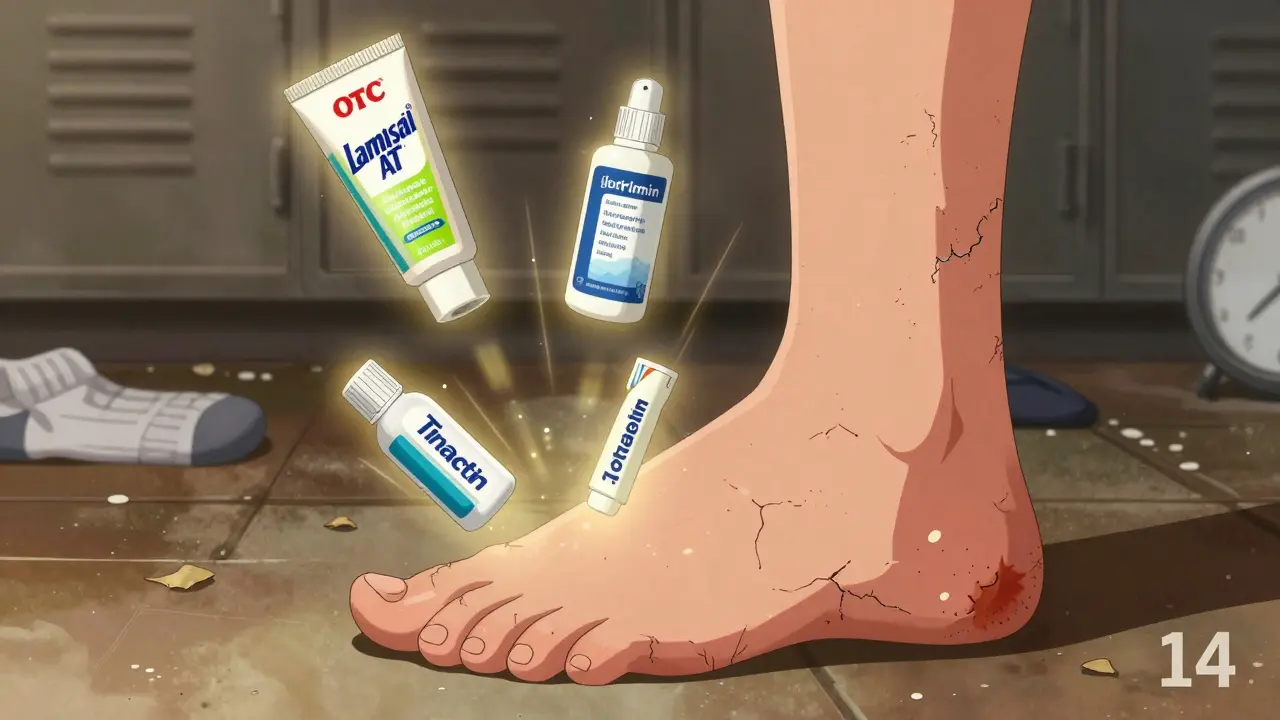
OTC Athlete’s Foot Treatments: Safe and Effective Use Guide
OTC athlete’s foot treatments like terbinafine and clotrimazole work well when used correctly. Learn which products are most effective, how to apply them, and how to prevent recurrence.
- 1
- 2
- 3
- 4
- …
- 11
About
Medications
Latest Posts

Annual Savings from FDA Generic Drug Approvals: Year-by-Year Breakdown
By Orion Kingsworth Dec 10, 2025
Price and Efficacy: Why Cheaper Drugs Feel Less Effective
By Orion Kingsworth Mar 11, 2026

Dyskinesias and Biofeedback: A Promising Treatment Option
By Orion Kingsworth Mar 16, 2025
